Try Weglot for free




The go-to-market landscape has fundamentally changed. What used to require armies of specialists can now be accomplished by lean teams wielding the right AI-powered tools. But with hundreds of AI marketing solutions flooding the market, the real challenge is not finding tools, it's building a coherent stack that actually works together.
This guide breaks down the essential categories of AI GTM tools, highlights the standout solutions for 2026, and gives you a framework for assembling a tool stack that amplifies your team rather than overwhelming it.
Traditional marketing and sales stacks were built for a different era. Teams would cobble together 15-20 point solutions, each requiring its own login, integration, and tribal knowledge to operate effectively. The result was fragmented data, redundant workflows, and tools that spent more time fighting each other than helping your team.
AI has changed the equation. Modern GTM tools don't just automate tasks, they generate insights, predict outcomes, and create content at scale. The best ones integrate seamlessly with your existing systems and learn from your unique business context. The challenge is knowing which tools actually deliver on these promises and how to combine them into something greater than the sum of their parts.
Before diving into specific tools, let's establish the six essential categories every GTM stack needs to cover:
Content Intelligence and Creation: Tools that help you research, generate, and optimise content across all channels.
Customer Data and Intelligence: Platforms that unify customer data, provide predictive insights, and help you understand buyer behavior.
Sales Enablement and Automation: Solutions that streamline prospecting, outreach, and deal progression.
Personalisation and Experience: Tools that deliver tailored experiences across web, email, and product.
Analytics and Attribution: Platforms that connect the dots between activities and revenue.
GTM Orchestration: Systems that coordinate campaigns, sequences, and workflows across channels.
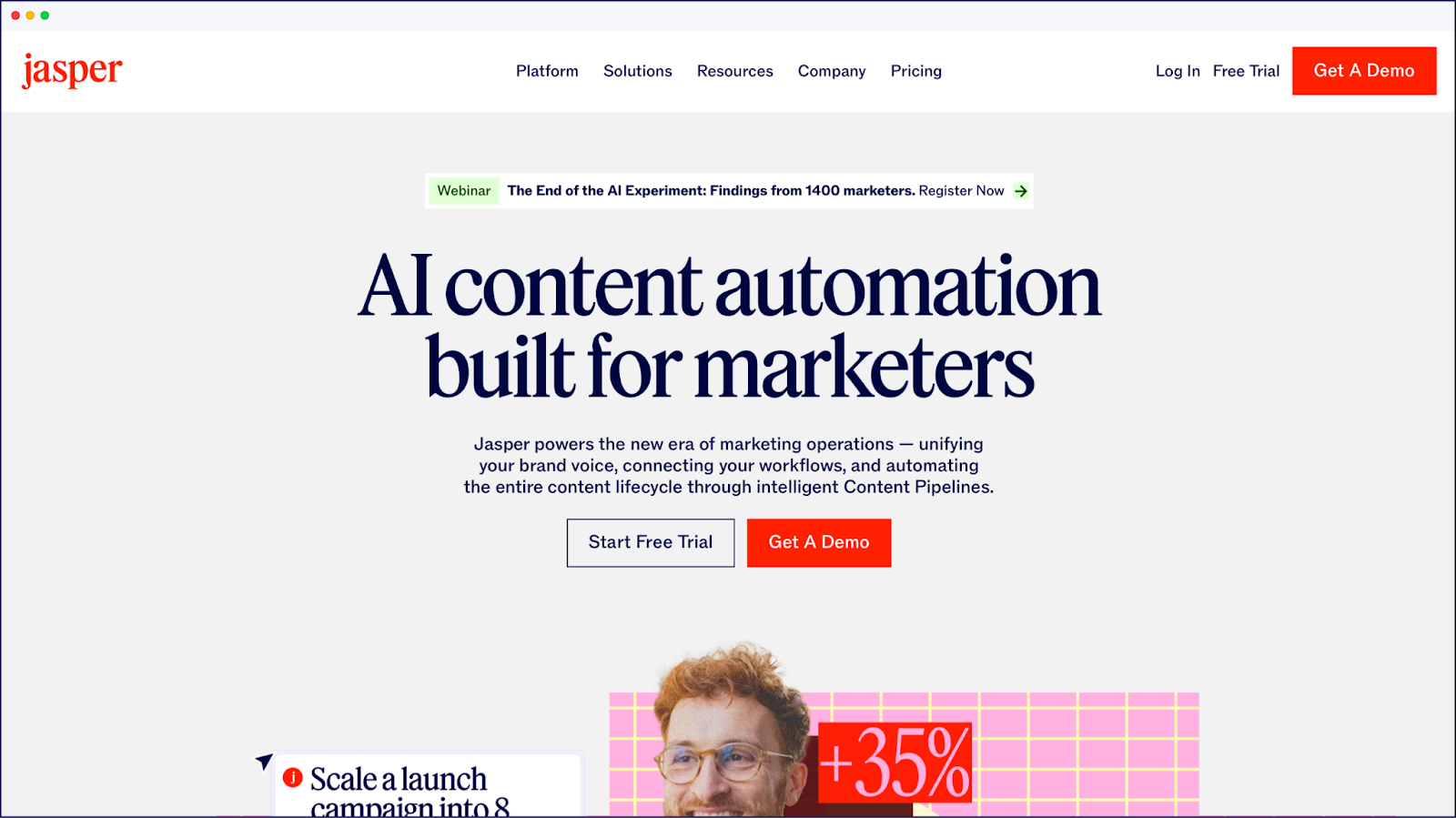
Jasper for Teams remains the gold standard for brand-consistent AI content creation. Unlike generic AI writing tools, Jasper learns your brand voice, product positioning, and style guidelines, ensuring everything it creates sounds authentically you.
The platform excels at generating everything from ad copy to long-form thought leadership, with built-in SEO optimization and fact-checking capabilities.
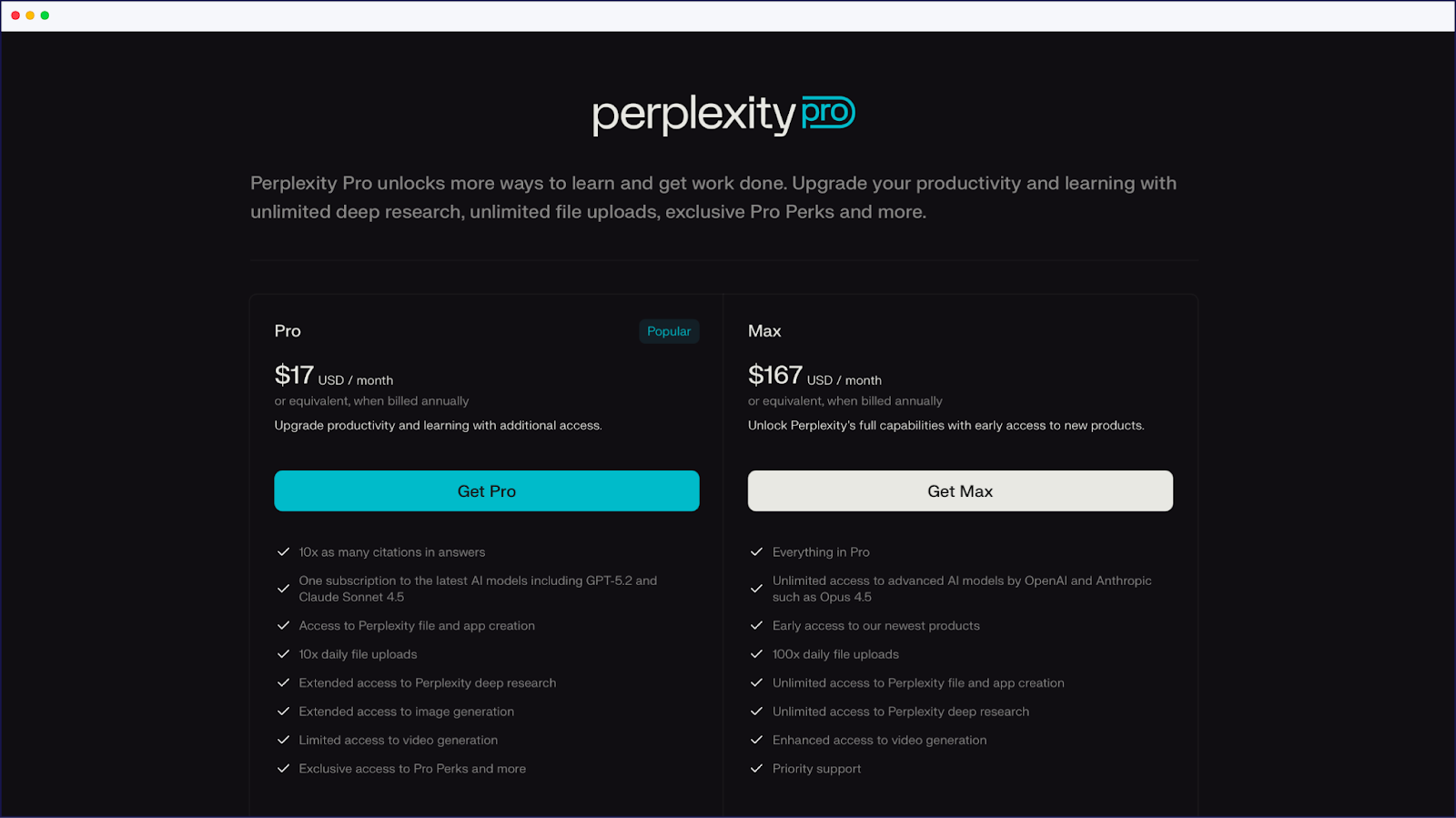
Perplexity Pro for research has become indispensable for content teams that need to stay current. Rather than spending hours manually researching industry trends, competitor moves, or customer pain points, Perplexity delivers comprehensive, cited research in minutes. It's particularly valuable for creating data-driven content that establishes thought leadership.
*** Pro- Tip: Perplexity is now taking over ChatGPT as the leader in research driven content and complexity of research results.
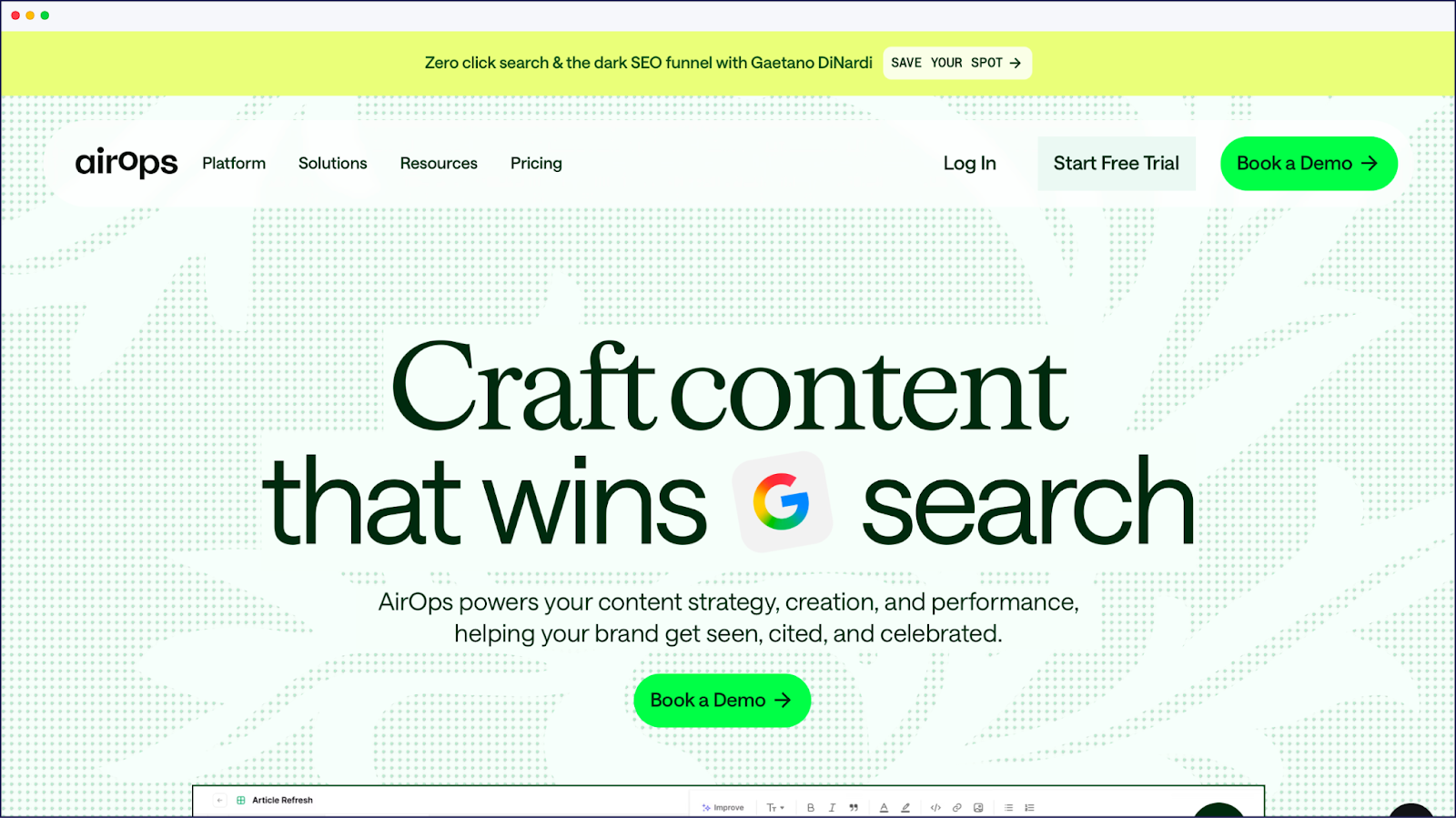
AirOps is the platform that helps marketing teams scale content production through repeatable, automated workflows rather than one-off generation. Teams can build custom templates incorporating their brand voice, product knowledge, and SEO requirements to produce everything from product descriptions to blog posts at scale.
The platform combines content creation with built-in SEO optimization, performance tracking, and quality control features to ensure output meets standards before publication.
AirOps is particularly valuable for e-commerce companies needing thousands of product descriptions or SaaS teams scaling content marketing, acting as a force multiplier that automates repetitive tasks while humans focus on strategy, and integrates seamlessly with WordPress, Shopify, and major CMS platforms.
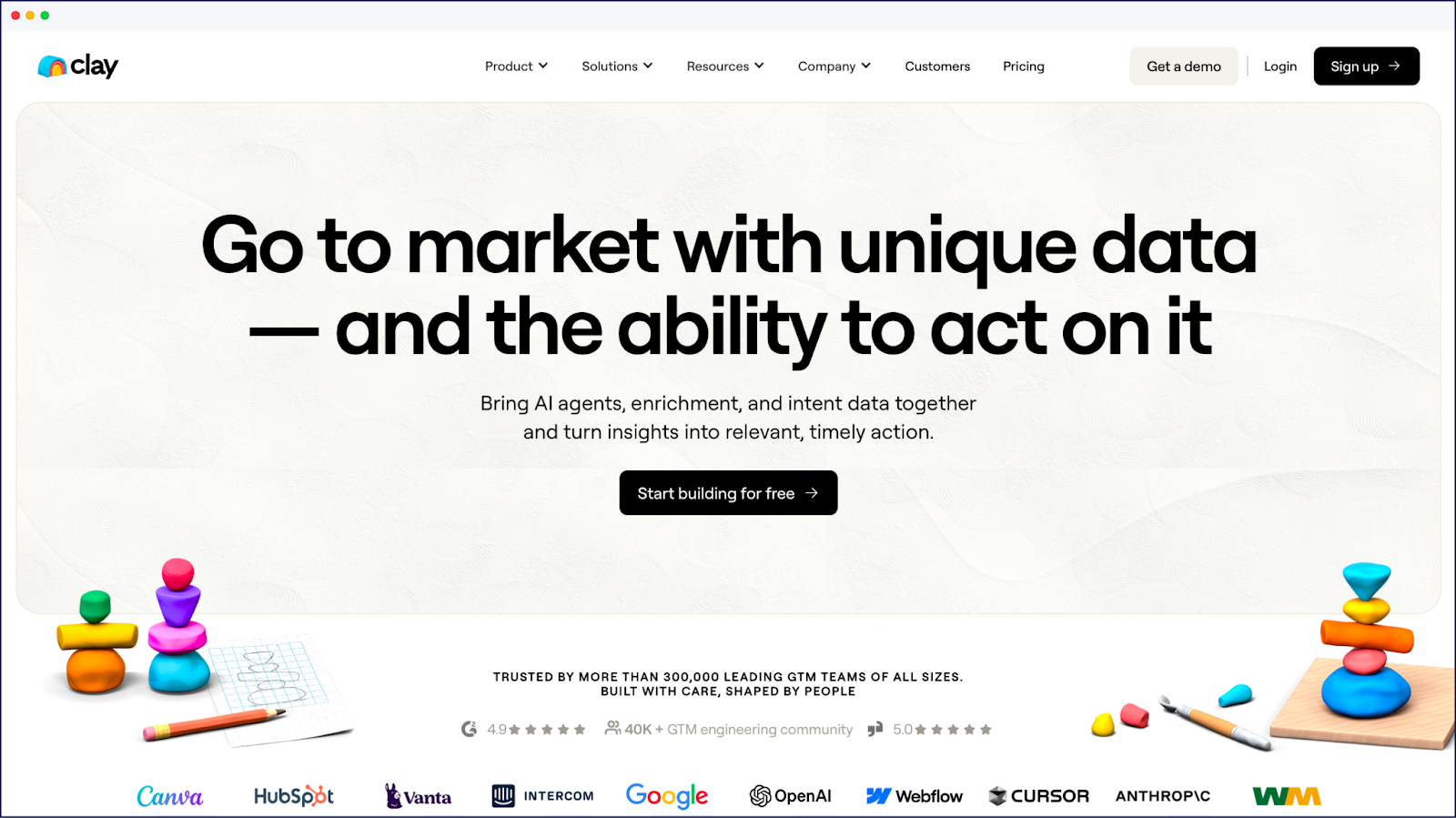
Clay has emerged as the leading platform for data enrichment and signal intelligence.
Think of it as a spreadsheet that can automatically find and verify contact information, track intent signals, and enrich every prospect with relevant data from dozens of sources.
What makes Clay special is its flexibility: you can build custom workflows that combine data from your CRM, web scraping, third-party databases, and AI analysis to create highly targeted prospect lists.
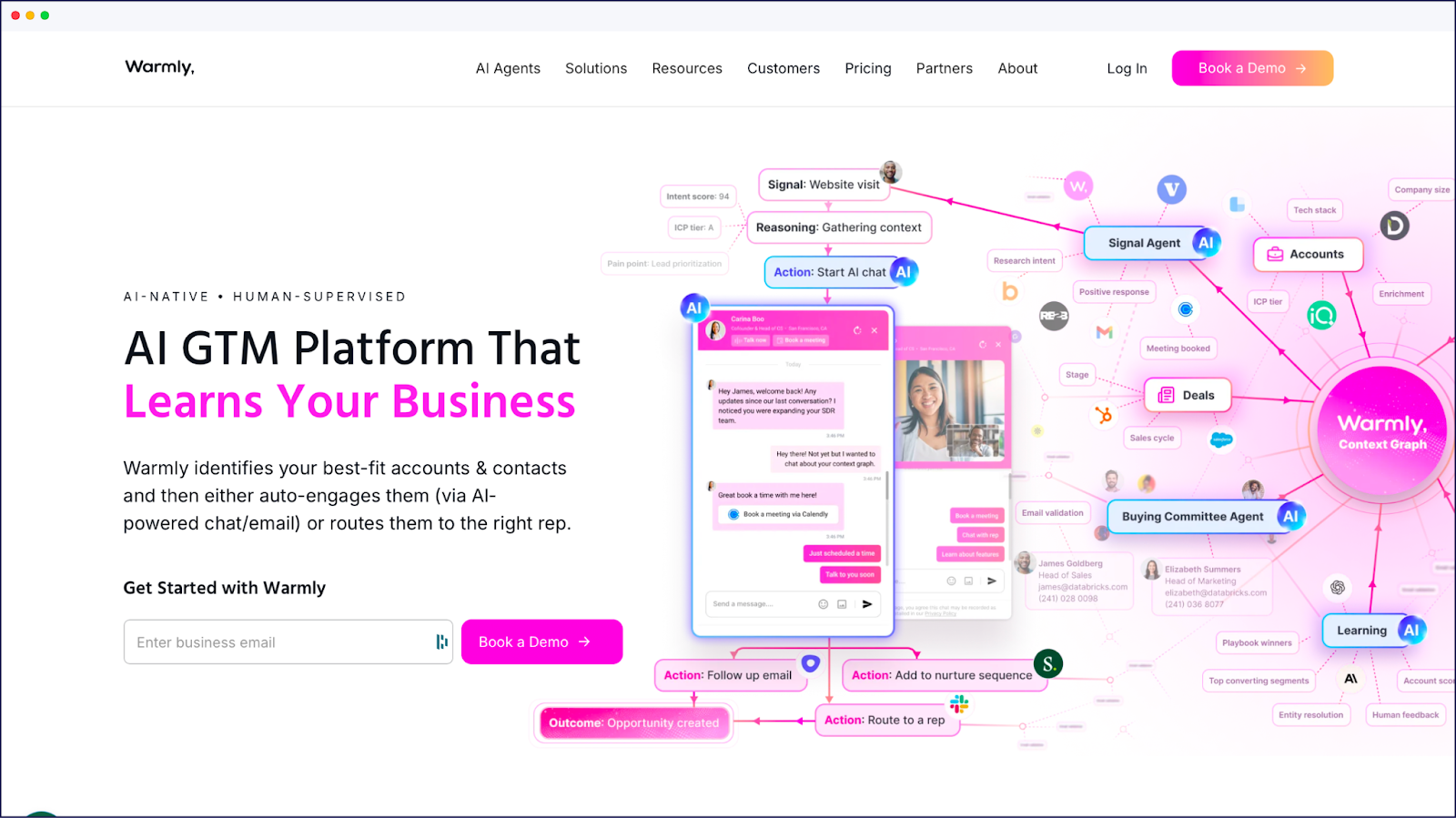
Warmly has emerged as a powerful revenue orchestration platform that combines website visitor identification with automated outreach. The platform de-anonymizes your website traffic in real-time, identifying which companies and individuals are browsing your site, what pages they're viewing, and how engaged they are.
What makes Warmly special is its ability to automatically trigger personalised outreach based on visitor behavior and intent signals. It's particularly effective for high-velocity sales teams that need to strike while prospects are hot.
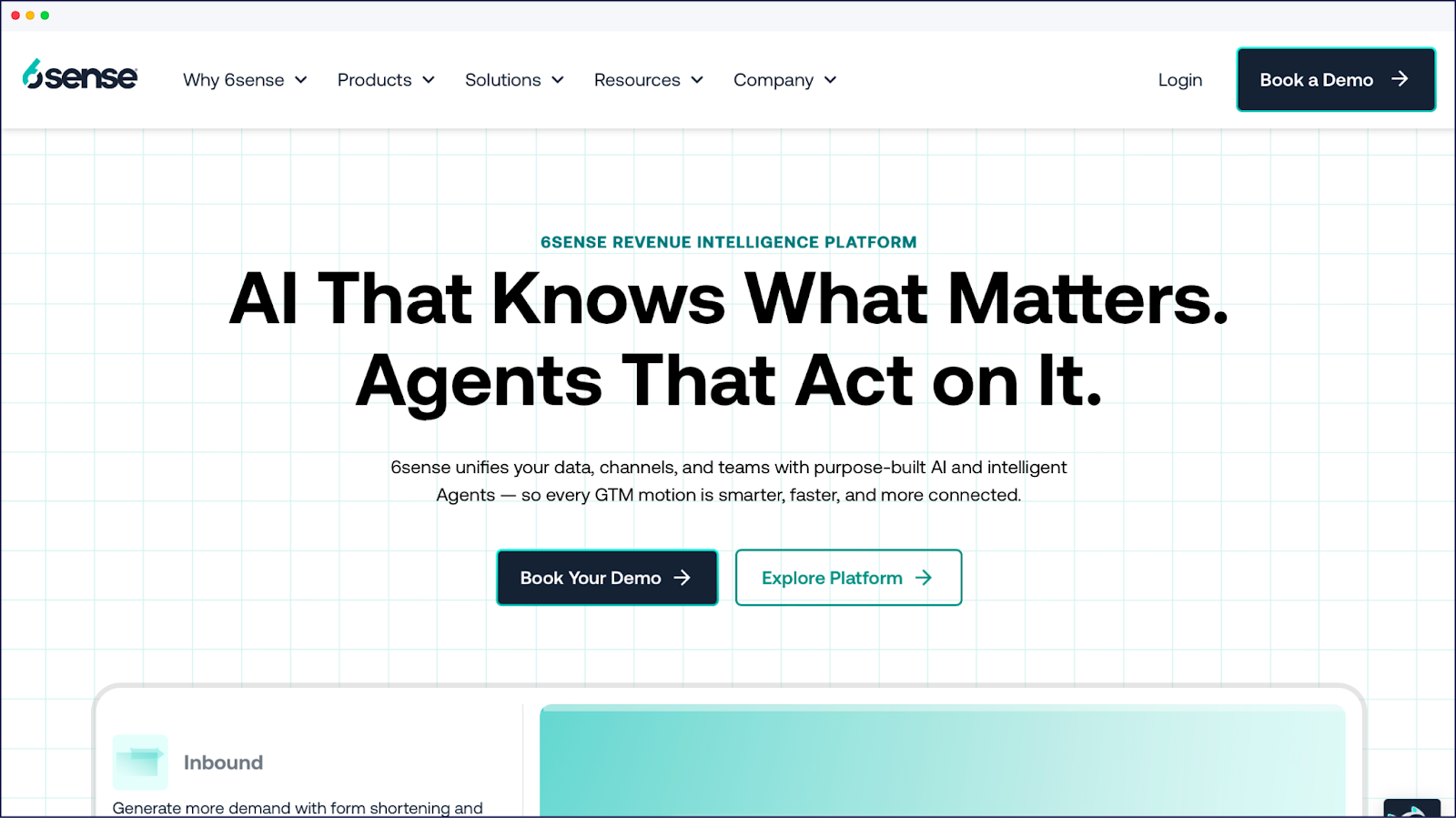
6sense continues to dominate the intent data space for B2B companies.
The platform monitors anonymous buying behavior across the web to identify which accounts are actively researching solutions in your category, even before they reach out.
This early warning system lets you prioritize accounts showing real intent and tailor your messaging to their stage in the buying journey.
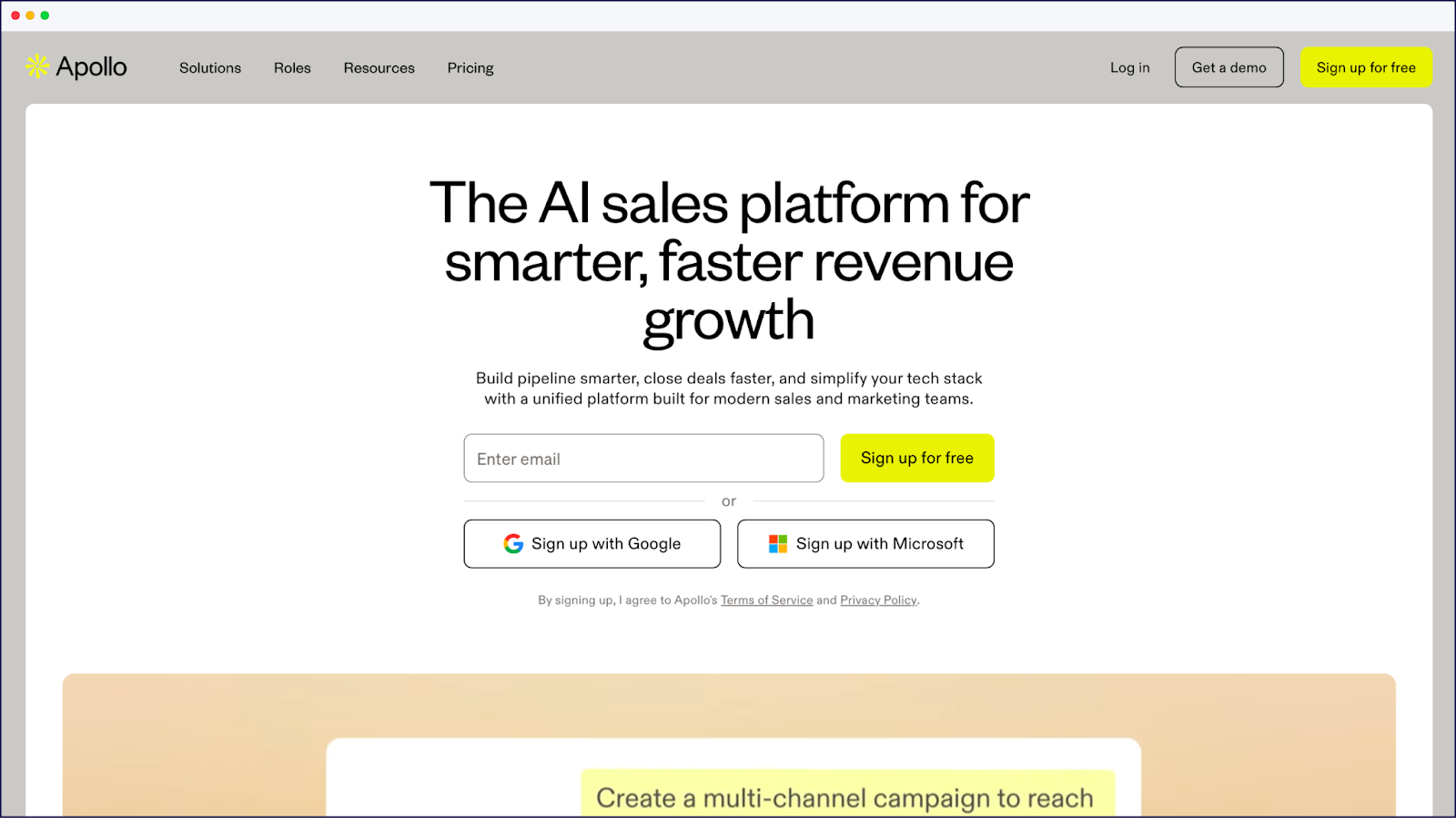
Apollo.io has become the all-in-one prospecting powerhouse. With a database of over 275 million contacts, built-in email sequencing, and AI-powered personalization, Apollo replaces what used to require three or four separate tools.
The AI writing assistant helps craft personalized outreach at scale, while the intent data features help you prioritize which prospects to contact when.
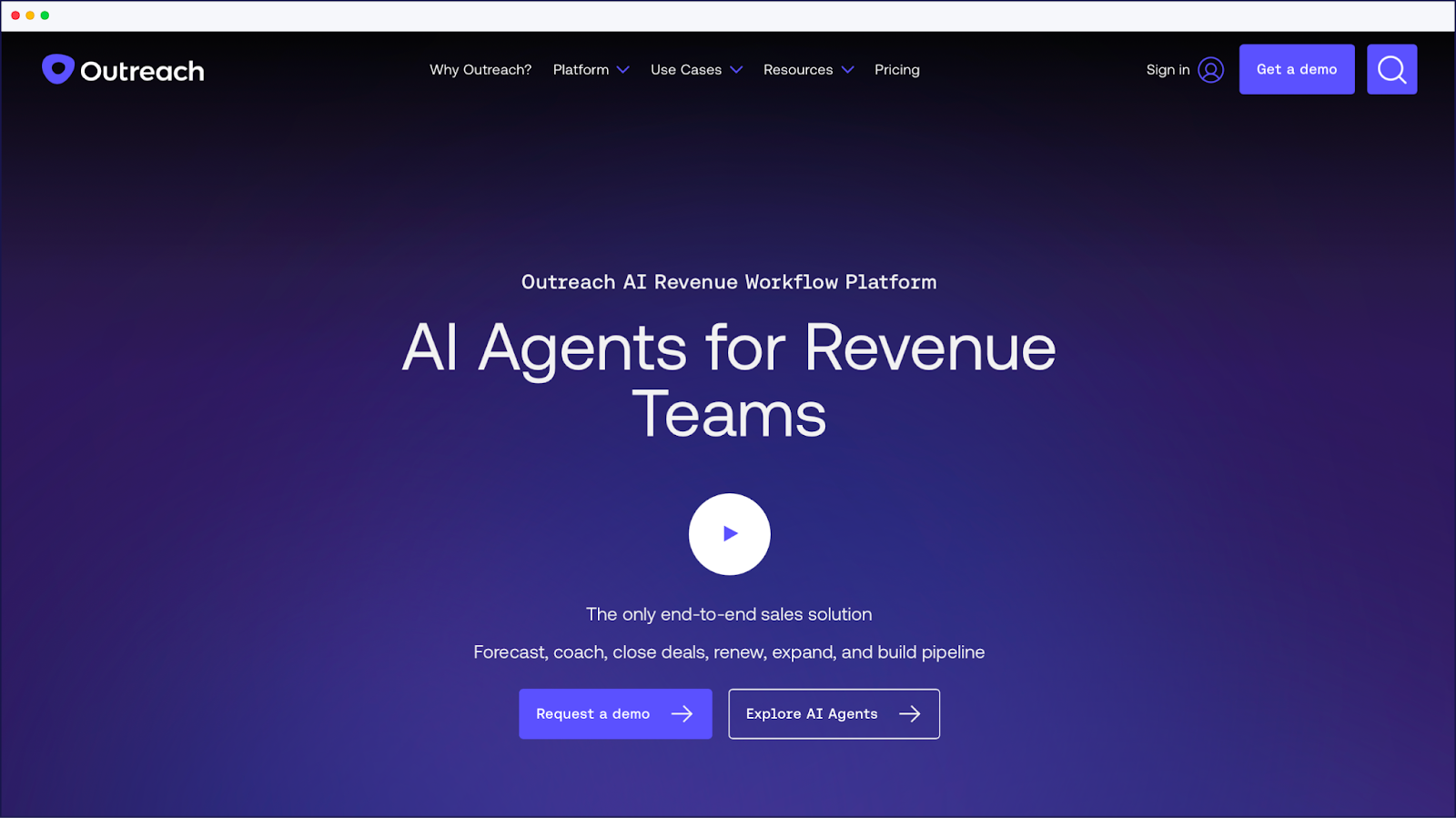
Outreach.io remains the choice for teams that need sophisticated sales sequence orchestration. The platform's AI helps optimize send times, message content, and multi-channel touchpoints to maximize response rates.
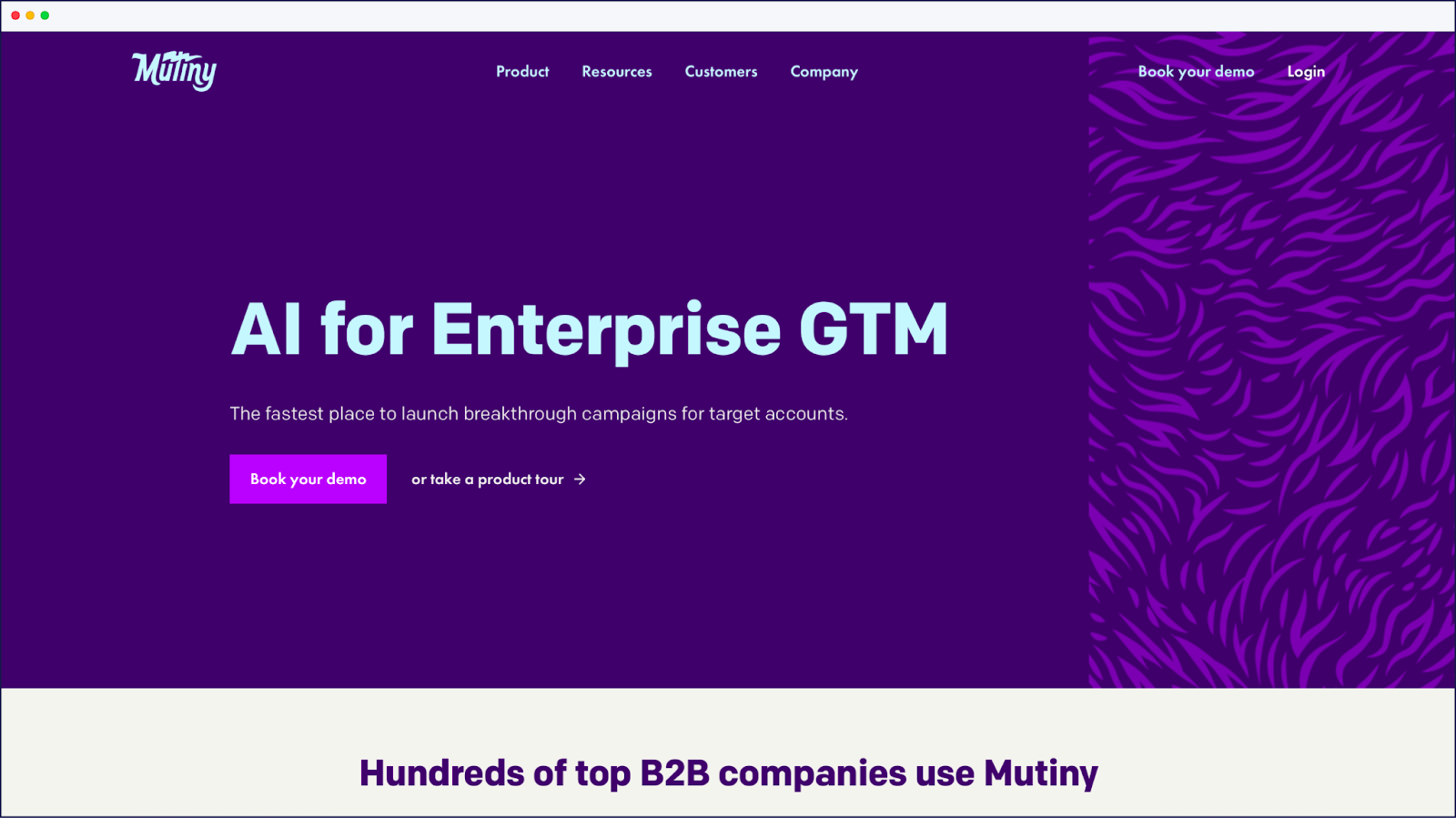
Mutiny leads the pack for B2B website personalization. The platform uses visitor data and intent signals to dynamically customize your website experience for different accounts and personas.
Instead of showing every visitor the same generic homepage, Mutiny lets you present tailored messaging, case studies, and CTAs based on company size, industry, or buying stage.
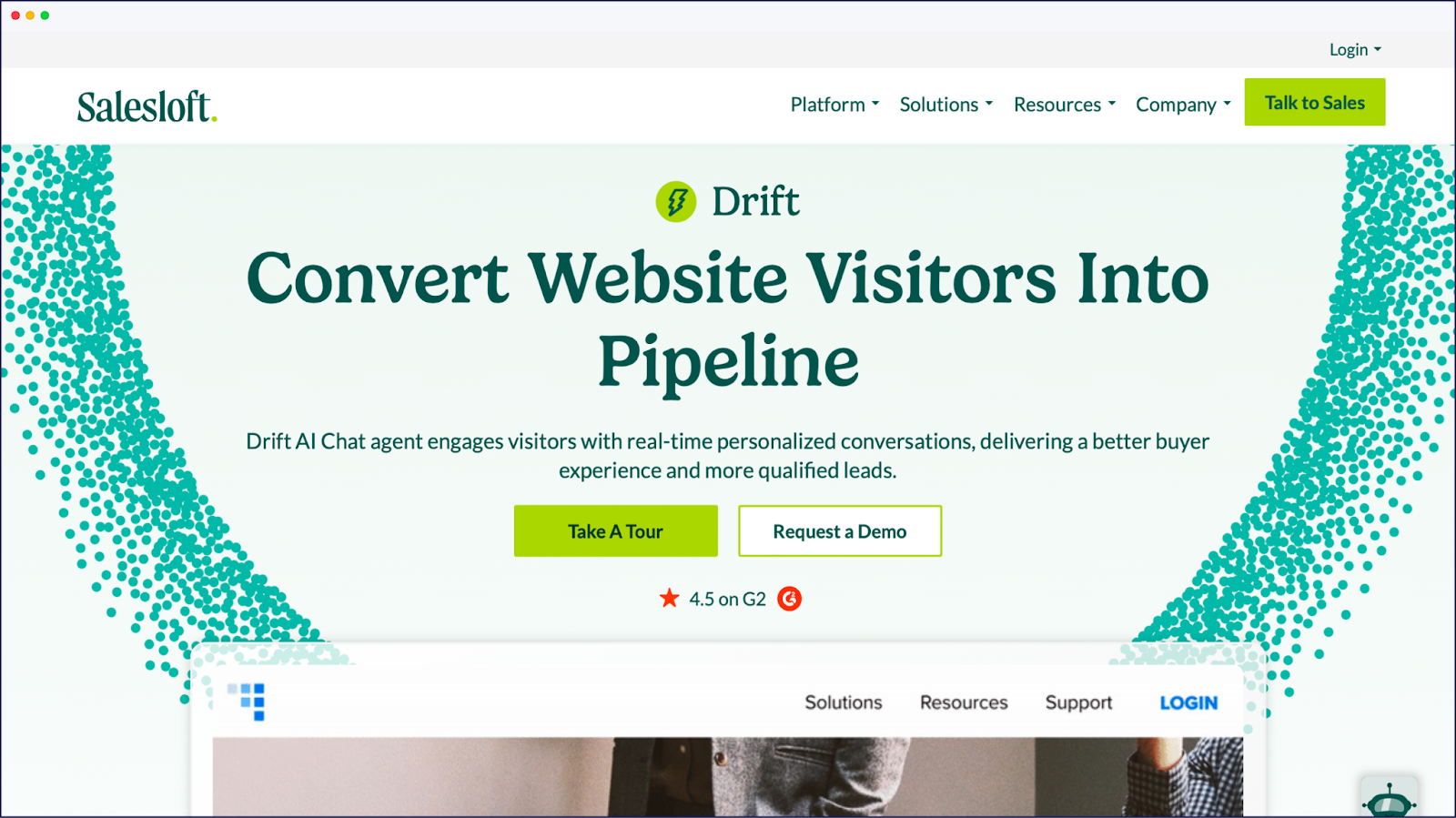
Drift pioneered conversational marketing and continues to innovate in AI-powered chat experiences.
The platform's AI can qualify leads, book meetings, and answer product questions 24/7, ensuring no opportunity falls through the cracks during off-hours.
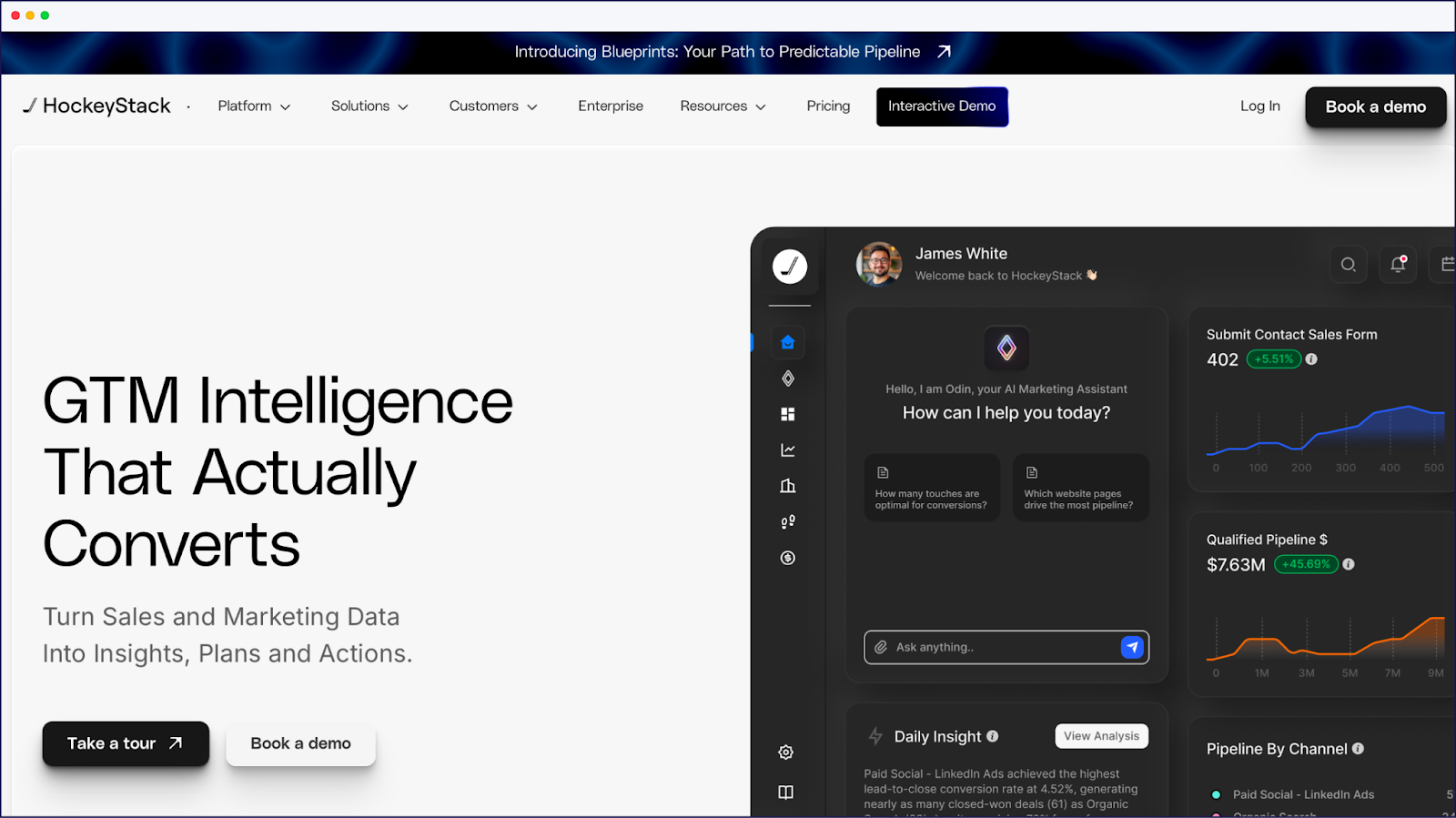
HockeyStack has cracked the multi-touch attribution problem that plagued marketers for years.
The platform tracks every touchpoint in the buyer journey and uses AI to assign appropriate credit across channels.
This finally gives you accurate answers to questions like "Is our podcast actually driving the pipeline?" or "Which content pieces influence deals the most?"
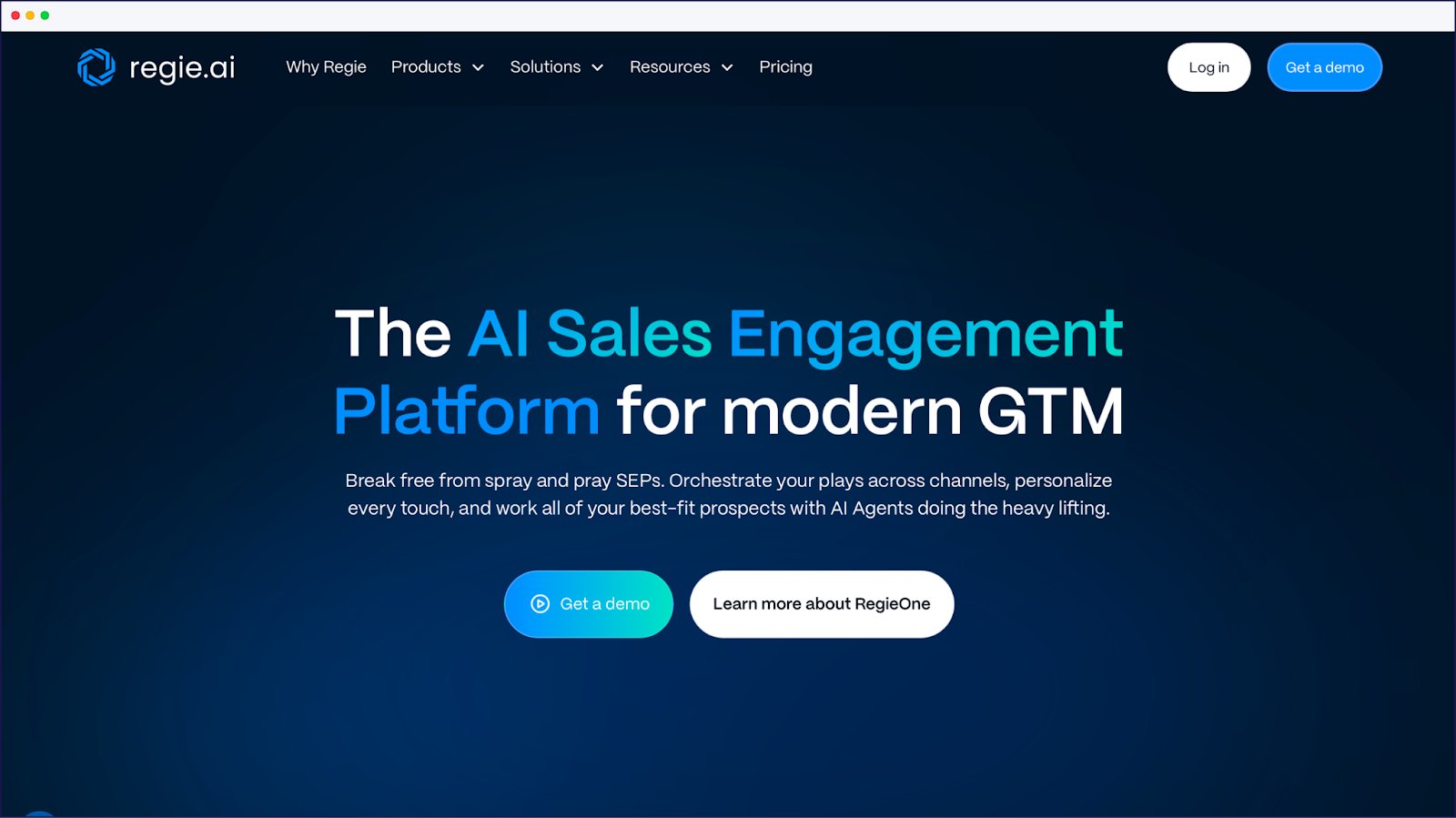
Regie.ai is an AI-native prospecting and content generation platform that's gaining serious traction in sales teams.
Unlike traditional marketing automation, Regie focuses specifically on outbound sales sequences with AI that writes personalized emails, LinkedIn messages, and call scripts based on prospect data and intent signals.
The platform learns from your best-performing outreach and continuously improves messaging over time. It's particularly powerful for SDR teams that need to scale personalized outbound without sacrificing quality.
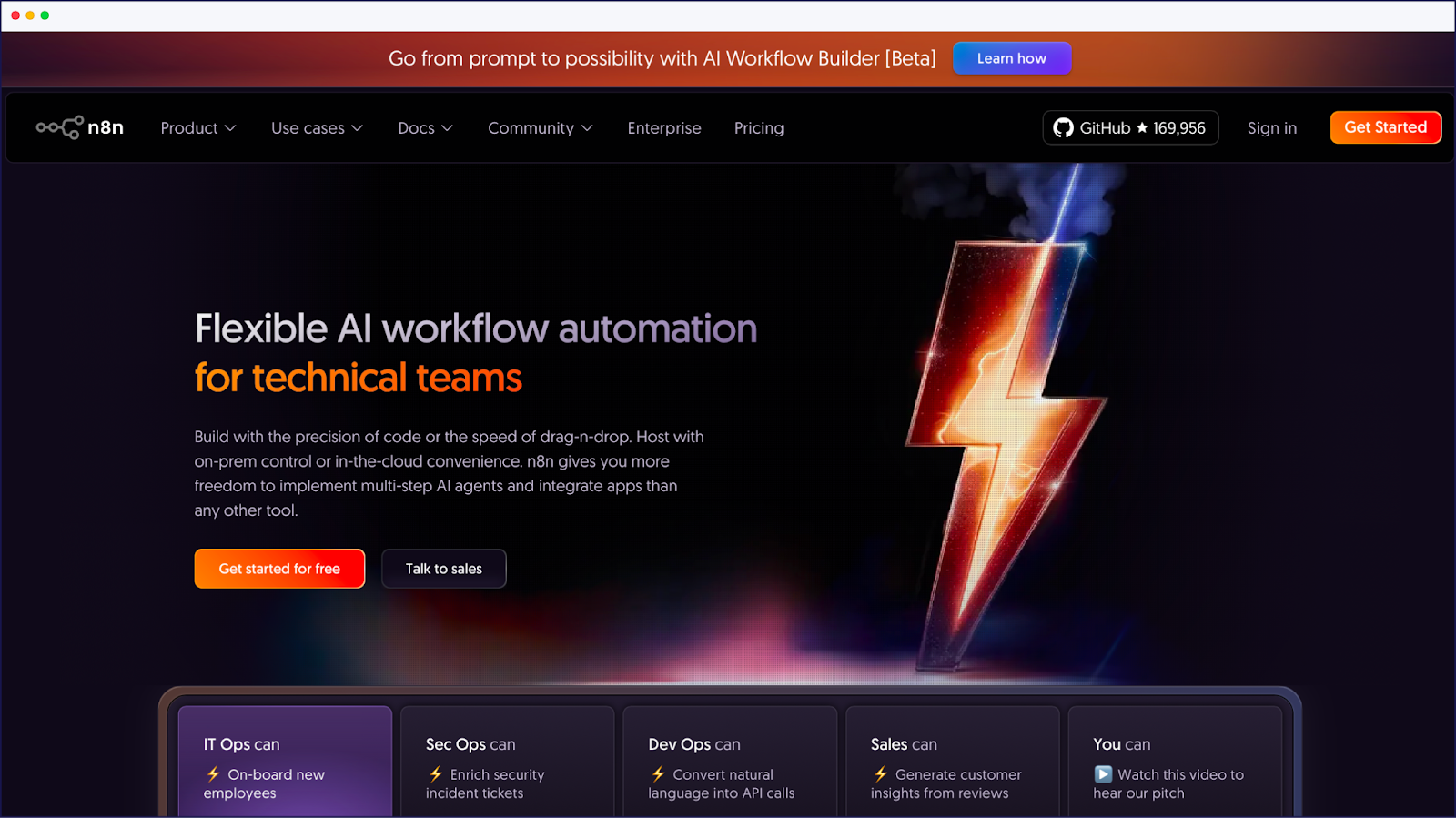
N8N is an open-source workflow automation platform that's becoming the technical team's alternative to Zapier, offering more power and flexibility.
It's ideal for GTM teams with technical resources who need sophisticated automations like multi-source lead enrichment, complex conditional campaigns, or full-stack data syncing, without pre-built template limitations or data security concerns.
** Pro-Tip: There are many more tools than these top picks above. However, the goal for any Founder, CEO, or GTM leader is to understand which tools are right for your organisation and, most importantly, however these tools work together.
The GTM tool landscape will continue evolving rapidly. I am seeing several clear trends:
The best GTM stack for 2026 is not about having the most tools; it's about having the right tools working in harmony. Start with your foundation, add capabilities where you have real gaps, prioritise integration, and invest in enablement.
Most importantly, remember that tools are force multipliers for good strategy and execution. No combination of AI platforms will fix fundamental issues with your positioning, messaging, or product-market fit. Get those fundamentals right first, then use AI tools to scale what's already working.
The companies winning in 2026 are not necessarily those with the biggest tool budgets. They are the ones who have thoughtfully assembled tool stacks that amplify their team's strengths and systematically remove friction from their GTM motion. Build yours with that goal in mind.

Translate your website instantly with AI, refine with human edits, and go live in minutes.
Trusted by 70,000+ global brands


The best way to understand the power of Weglot is to see it for yourself. Test it for free and without any engagement.
A demo website is available in your dashboard if you’re not ready to connect your website yet.